

Your skin naturally renews itself, but sometimes, it needs a little help to reveal its healthiest glow. That’s where exfoliation comes in. Exfoliating your skin not only helps remove dull, dead cells but also brings out a fresh, luminous complexion that feels smooth and looks bright.
At Faceo, we believe in gentle, effective skincare powered by natural and science-backed ingredients. In this post, let’s explore what exfoliation really means, why it’s essential, the different types of exfoliants, and how to do it safely — along with expert-backed insights and product tips from GlowWithFaceo.com.
What Is Exfoliation?
Exfoliation is the process of removing dead skin cells from the outer layer of your skin. Your body naturally sheds dead cells every 28–30 days, but sometimes they linger on the surface, leading to dullness, clogged pores, and rough texture.
By exfoliating, you help your skin renew itself faster — unveiling softer, smoother, and more radiant skin. According to Healthline, regular exfoliation also promotes collagen production, which keeps your skin youthful and firm.
Why Should You Exfoliate?
Exfoliation isn’t just about glowing skin, it’s about better skin health. Here’s how it benefits your complexion:
-
Unclogs pores: Clears away trapped dirt, oil, and dead cells that can lead to blackheads and acne.
-
Improves texture: Makes your skin feel softer and smoother.
-
Evens out tone: Fades dark spots and pigmentation over time.
-
Boosts product absorption: Prepares your skin to absorb serums and moisturizers better.
-
Brightens complexion: Removes dull buildup, revealing a natural glow.
-
Reduces fine lines: Promotes cell turnover and collagen formation.
-
Prevents breakouts: Keeps pores clean and reduces inflammation.
As Medical News Today notes, consistent exfoliation supports long-term skin renewal and helps manage common concerns like acne, dryness, and uneven tone.
The Two Main Types:
Exfoliation comes in two main forms- chemical and physical. Let’s understand how they differ and which might be right for your skin.
Chemical:
Chemical exfoliants use gentle acids or enzymes to dissolve dead skin cells instead of scrubbing them off physically. This process ensures even exfoliation and reduces the risk of microtears.
According to dermatologists at the American Academy of Dermatology (AAD), chemical exfoliation is often preferred for sensitive or acne-prone skin due to its gentleness and precision.
There are four key types of chemical exfoliants:
-
Alpha Hydroxy Acids (AHAs): Water-soluble acids like glycolic, lactic, mandelic, and citric acid. Ideal for dryness, dullness, and uneven pigmentation.
-
Beta Hydroxy Acids (BHAs): Oil-soluble acids such as salicylic acid that go deep into pores. Perfect for oily and acne-prone skin.
-
Poly Hydroxy Acids (PHAs): Larger molecules that provide gentle exfoliation with added hydration — perfect for sensitive skin.
-
Lipo Hydroxy Acid (LHA): A mild derivative of salicylic acid that exfoliates cell by cell and promotes collagen production.
Tip: Start with mild acids like lactic or mandelic acid if you’re new to exfoliation, and always follow up with sunscreen, exfoliated skin is more sun-sensitive.
Physical
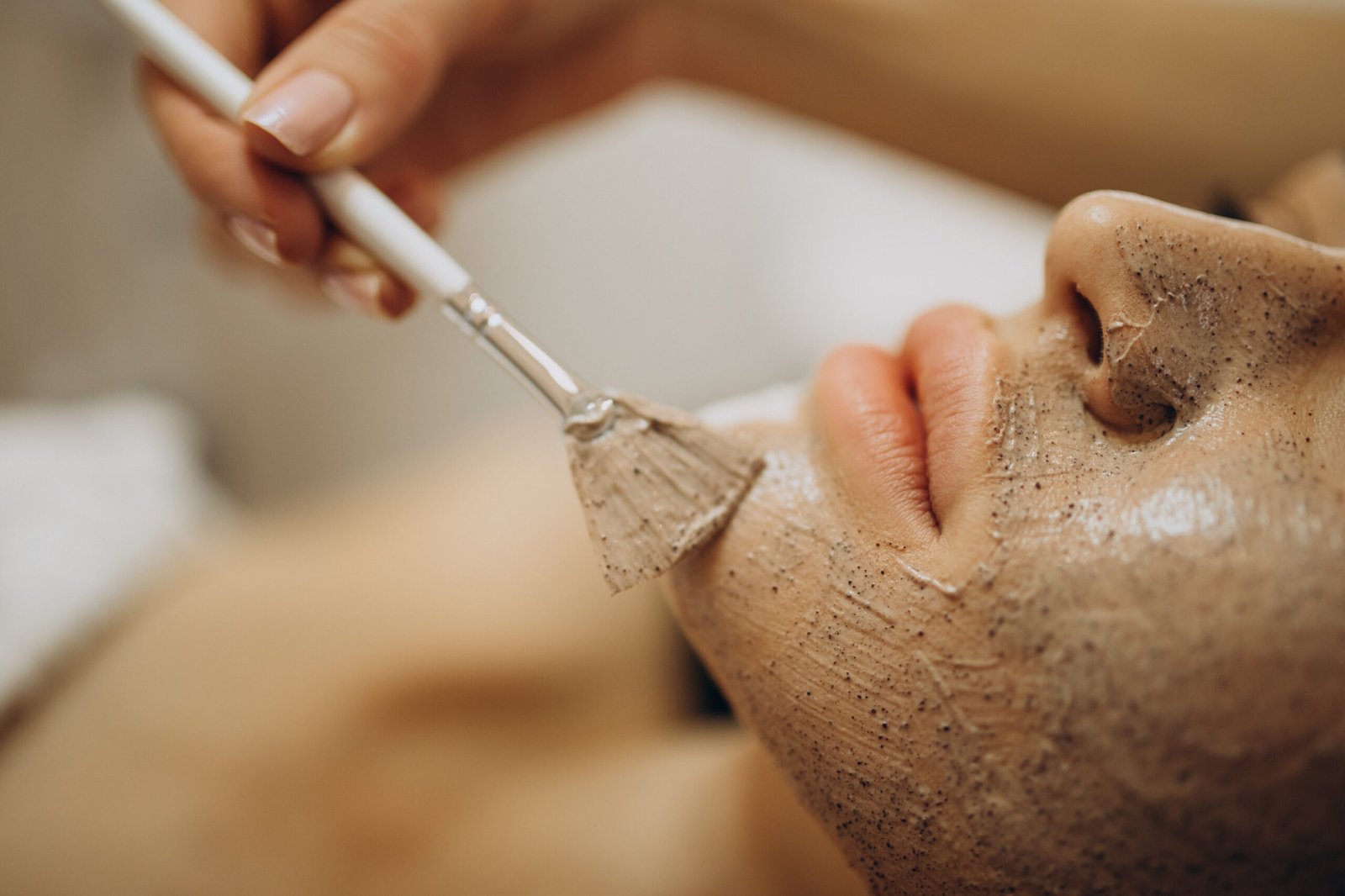
Physical exfoliation involves manually removing dead cells using scrubs or tools. While effective, it requires caution to avoid over-scrubbing or irritating the skin barrier.
Common physical exfoliants include:
-
Scrubs: Sugar, salt, coffee, or walnut-based scrubs.
-
Brushes: Soft facial brushes or cleansing tools.
-
Sponges & Loofahs: Natural options that gently buff away buildup.
-
Dermaplaning: A technique using a sterile blade to remove peach fuzz and dead cells.
-
Washcloths & Towels: Mild forms of exfoliation suitable for daily use.
Always be gentle, scrubbing too hard can cause microtears and redness. Avoid physical exfoliants if you have active acne or rosacea.
How often should you exfoliate?
Less is more, always. Overdoing it can damage your skin barrier and cause redness, peeling, or breakouts.
Simple guideline:
-
Sensitive Skin: Once a week
-
Normal Skin: 1–2 times a week
-
Oily Skin: 2–3 times a week (depending on tolerance)
If you’re using active ingredients like retinoids or vitamin C, exfoliate on alternate days to avoid irritation.
Choosing the right exfoliant for your skin type
| Skin Type | Recommended Exfoliant |
|---|---|
| Dry | AHAs like lactic acid or mandelic acid |
| Oily | BHAs like salicylic acid |
| Sensitive | Mandelic Acid, PHAs, or gentle enzyme exfoliants |
| Combination | Mild AHAs or enzyme-based exfoliants |
| Mature | LHA or lactic acid for firming and glow |
Choosing the right exfoliant for your skin type
After exfoliating, your skin becomes more receptive, but also more vulnerable. Seal in moisture with a nourishing cream and protect your fresh skin with a broad-spectrum sunscreen.
The AAD recommends using SPF 30 or higher daily to prevent UV damage and premature aging.
Benefits of Exfoliation at a Glance
-
Improves skin texture and smoothness
-
Enhances product absorption
-
Unclogs pores and reduces acne
-
Fades dark spots and pigmentation
-
Promotes even skin tone
-
Brightens complexion
-
Minimizes fine lines and wrinkles
Caution: Avoid Overexfoliation
Too much can damage your skin barrier, leading to redness, stinging, or flakiness. If your skin feels tight or burns after applying products, you may be overdoing it.
Always:
-
Use gentle motions, never scrub harshly.
-
Avoid layering multiple exfoliating products.
-
Do a patch test before trying new acids.
-
Skip exfoliation if you have cuts, irritation, or sunburn.
Natural Exfoliation with Faceo
At Faceo, Our natural blends combine science and Ayurveda to give you glowing skin without harsh effects.
Try our Skin Brightening Ubtan, enriched with Sandalwood, Wild Turmeric, Rose Petals, Fenugreek, Licorice, and Papaya. It naturally exfoliates, detoxifies, and brightens the skin, leaving it radiant and refreshed.
Explore more skincare guides and routines on our blog at GlowWithFaceo.com for expert advice and ingredient breakdowns.
Final Thoughts
Exfoliation is more than just a beauty step, it’s a renewal ritual for your skin. Whether you choose a mild acid toner or a natural ubtan, exfoliating regularly will help reveal a clearer, smoother, and more youthful glow.
Remember, gentle and consistent care always wins over harsh treatments. Pair with hydration, SPF, and love for truly radiant skin.
Sign Up & Stay Glowing
Be the first to know about new arrivals, skincare tips, and exclusive offers from Faceo.
Sign up now at Faceo.in to stay connected and glow with us.


